Originally called Harriet Lane, Cuba Street Wellington took its current name in the late 19th century. It is believed that the street was named after a British ship that was headed to South America but passed through Wellington. Over time, Cuba Street has gone through many transformations and changes, reflecting Wellington’s evolution as a city.
One of the primary reasons for Cuba Street’s popularity is its unique architecture. Many of its buildings date back to the Victorian era, and their ornate façades are prime examples of the Italianate style. Other buildings, such as the iconic Bucket Fountain and the Bucket Fountain’s Building, showcase the city’s modernist design.
Cuba Street has always been the centre of Wellington’s arts and culture scene. During the 1970s, it served as a hub for the city’s burgeoning bohemian community, where artists, musicians, and other creative types gathered to socialize, share their work, and perform. This cultural explosion led to the development of Wellington’s renowned Fringe Festival, which is now held annually in February and March.
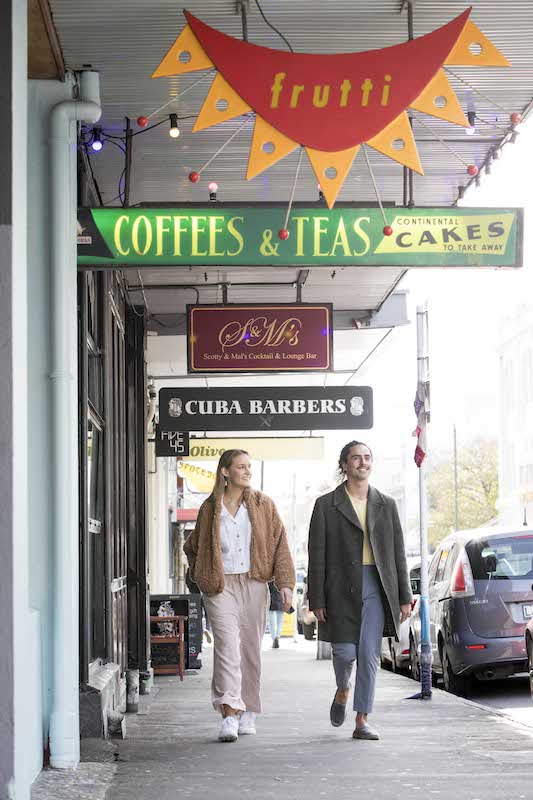
In addition to its artistic community, Cuba Street has also been a vital commercial hub for Wellington. The street houses a wide variety of shops, cafes, and restaurants, ranging from stylish boutiques to tattoo parlours, and from gourmet eateries to fast food chains. Many of these businesses have been around for decades, and they have become part of the street’s unique character and heritage.
Over the years, Cuba Street has also played a significant role in the city’s political and social movements. During the early 20th century, the street was the site of many rallies and protests, including the 1913 Labour Day Parade, which led to the creation of the eight-hour workday. More recently, it has been a space for LGBTQ+ and feminist activists, who have organised events such as Pride Week and the Women’s March.
Cuba Street Wellington is a fascinating and unique part of the city’s history. From its Victorian-era buildings to its vibrant culture scene and political activism, it reflects the evolution of Wellington as a city and showcases its diversity and creativity. Today, the street remains a popular destination for locals and tourists alike, who come to experience its energy and unique character.